
 分享:
分享:


The 372nd Wenlan Financial Forum
Topic: | Hedging by Giving: Spiritual Insurance and Religious Donations |
Speaker: | Yu Zhang, Associate Professor Peking University Guanghua School of Management |
Host: | Yonghao Xu, Associate Professor School of Finance, Zhongnan University of Economics and Law |
Time: | 10:00-11:30, Friday, May 15, 2026 |
Location: | 508 Conference Room, Wenquan South Building |
Abstract:We investigate “spiritual insurance”—a mental strategy for coping with risk, where individuals engage in good deeds, including donations, in exchange for perceived blessings and protection. Using bank transactional data, we show that higher income uncertainty and health shocks lead to increased donations, particularly to religious charities. Moreover, individuals who donate to religious charities tend to reduce insurance expenditures. In a field experiment on millions of potential donors through an online platform, we find that spiritual insurance narratives increase giving, providing direct causal evidence for such a motive. Our findings provide new evidence on how spiritual insurance affects household risk-coping behavior.
Speaker Introduction:
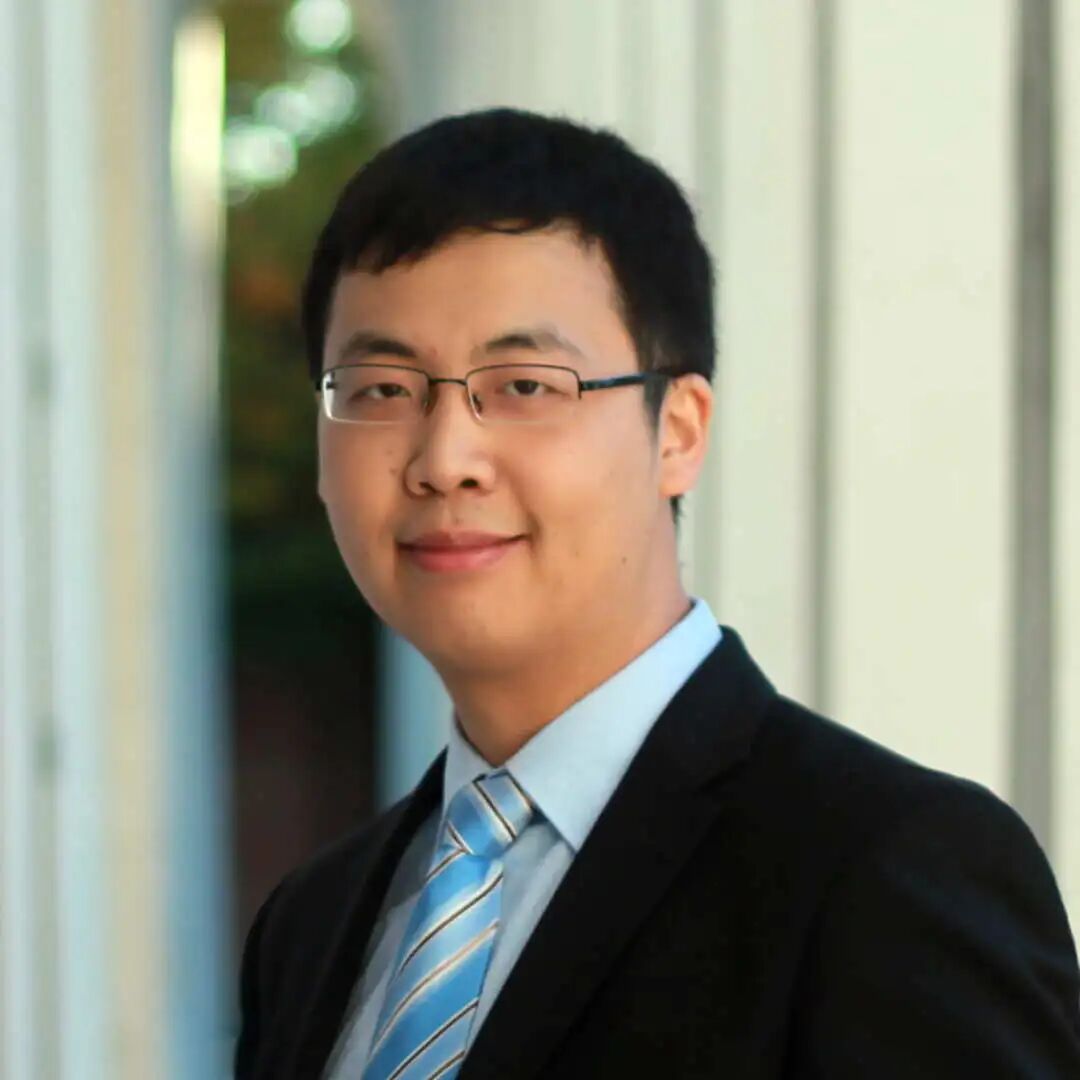
Yu Zhang is currently an Associate Professor in the Department of Finance at Peking University’s Guanghua School of Management. His research has been published in leading international journals, including The Review of Financial Studies, Journal of Accounting and Economics, The Review of Economics and Statistics, Production and Operations Management, and others. Professor Zhang is dedicated to research on household consumption and investment decisions as well as behavioral finance. His work examines the economic and financial behaviors of individuals and households across a wide range of areas, including real estate, consumption, financial investment, borrowing and lending, insurance, job search and employment, and charitable giving. He also places particular emphasis on the interaction between household-level microeconomic behavior and macroeconomic dynamics.